Category: Audio

  • AI Roadmap for No-Stress AI Implementation 

    AI Roadmap for No-Stress AI Implementation 

    The recent advancements in generative AI, including tools like ChatGPT and Dall-E, have significantly impacted the corporate landscape. A 2023 survey by Rackspace Technology highlights this shift. Surveying over 1,400 IT decision-makers found that 69% now view AI and machine learning as a key priority, a notable 15% increase from the previous year.  

    AI-roadmap-for-no-stress

    This uptick underscores the growing recognition of AI’s benefits in business. By integrating AI, companies gain various advantages, aligning with the increasing focus on these technologies in their strategic planning. 

    In this article, we will delve into the transformative potential of AI and explore key considerations for a stress-free and effective AI implementation strategy. Let’s begin. 

    The Advantages of AI for Businesses

    Considering AI for your business? Here’s how AI technology can benefit you: 

    The Advantages of AI for Businesses

    Efficiency Improvement 

    AI simplifies tasks by automating processes and reducing manual workload. For instance, AI-powered chatbots in customer service handle routine queries, freeing up human agents for more complex issues. This results in faster response times and increased operational efficiency. According to a National Bureau of Economic Research study, AI-powered chatbots can boost productivity by up to 14%

    Scalability 

    AI, including machine learning algorithms and cloud services, easily manages large data volumes and tasks. AI infrastructure scales up as your business expands without requiring a proportional resource increase. Cloud-based AI services like AWS or Azure enable you to flexibly scale AI capabilities on demand, ensuring seamless operations during demand spikes without hefty infrastructure investments. 

    Data-Driven Decision-Making 

    AI gives you a competitive edge by analyzing vast data sets for valuable insights. These tools identify new opportunities and position your business ahead of competitors by better understanding market dynamics and customer behavior. 

    Improved Customer Experience 

    AI enhances customer interactions by providing personalized experiences. For example, Amazon’s recommendation engine uses AI to suggest products based on user behavior, contributing to a more satisfying and tailored shopping experience. This level of personalization strengthens customer engagement and loyalty. About 40% of Amazon’s sales come from AI product recommendations. 

    Cost Reduction 

    AI significantly reduces operational costs by automating tasks and optimizing resource allocation. In manufacturing, for example, AI-powered predictive maintenance can anticipate equipment failures, preventing costly downtime and maintenance expenses. This proactive AI strategy minimizes overall operational costs. 

    Innovation Acceleration 

    Generative AI boosts creativity by helping teams create fresh and unique content with little or no effort. Marketing tools like HubSpot and Jasper leverage this tool to plan, generate, and optimize creative content for teams. Additionally, AI-driven generative design can efficiently produce distinctive product designs, saving time and costs compared to traditional methods. 

    Safety and Risk Management 

    AI enhances business safety and risk management through real-time monitoring and data analysis. It identifies potential hazards, providing proactive risk mitigation. In finance, for example, AI tools detect fraud patterns and assess repayment risks, empowering stakeholders to make informed decisions. 

    The integration of AI in business operations marks a transformative shift, offering a spectrum of benefits that improve efficiency, scalability, and decision-making. AI-driven automation and data analysis enhance customer experiences and streamline operations, leading to significant cost reductions and higher productivity. This technological advancement also fosters innovation and strengthens safety and risk management, positioning AI as a critical driver for business growth, adaptability, and competitive advantage in various industries. 

    Pre-requisites for AI Implementation 

    Prerequisites for AI Implementation

    For a stress-free AI implementation strategy, you need to lay the groundwork for success. Here are key steps and considerations: 

    • Problem Identification: Clearly define the business problems or challenges AI will address, ensuring they align with your organizational goals. 
    • Organizational Readiness Assessment: Evaluate your organization’s readiness for AI adoption, considering cultural, structural, and change management aspects. 
    • Data Infrastructure Evaluation: Assess the quality and accessibility of your existing data infrastructure to ensure it can effectively support AI applications. 
    • Skill Requirement Assessment: Identify the skills needed for the implementation of artificial intelligence. Build or acquire a team with the necessary expertise, including data scientists and domain specialists. 
    • Use Case Identification: Pinpoint specific use cases where AI can deliver tangible benefits to your business, focusing on areas with a high impact. 
    • Legal and Ethical Considerations: Understand and address legal and ethical considerations related to AI implementation, ensuring compliance with regulations and establishing ethical guidelines. 

    10-Step AI Implementation Roadmap 

    10-Step AI Implementation Roadmap

    Interested in learning how to implement AI in your business? This step-by-step guide can help you get started: 

    1. Define Clear Goals and Objectives: Clearly outline the purpose and desired outcomes of implementing AI in your organization. Establish specific, measurable, achievable, relevant, and time-bound (SMART) goals to guide the AI implementation process. 
    2. Secure Stakeholder Buy-In: Ensure all relevant parties, from leadership to end-users, understand and support the AI initiative. Address concerns, communicate benefits, and foster a collaborative mindset among stakeholders. 
    3. Evaluate AI Solutions and Providers: Research and assess various AI solutions and providers to identify the ones that align with your goals and budget.  
      – Assess the provider’s experience and expertise in your specific industry. 
      – Evaluate the level of customization and flexibility offered by the AI solution. 
      – Ensure the provider implements robust data security measures and complies with relevant regulations. 
      – Analyze the AI solution’s overall cost and potential return on investment (ROI). 
    4. Build a Strong Cross-Functional Team: Assemble a diverse team with expertise in data science, engineering, business, and other relevant domains. Foster collaboration and ensure clear communication channels among team members.
    5. Establish a Data Strategy: Develop a comprehensive strategy for collecting, storing, and managing data. Ensure data quality, privacy, and security while aligning data practices with your artificial intelligence business plan and goals.
    6. Choose the Right AI Tools and Technologies: Select the appropriate tools and technologies that suit your AI requirements. Consider factors like the complexity of tasks, scalability, and compatibility with existing infrastructure.
    7. Develop and Train AI Models: Create and train AI models based on the selected algorithms and methodologies. Use relevant and high-quality data to ensure the models accurately represent the desired outcomes. 
    8. Pilot Test and Evaluate: Implement the AI solution on a small scale to assess its effectiveness and identify potential issues. Collect feedback from users and stakeholders to make necessary adjustments before full-scale deployment.
    9. Deploy and Integrate: Roll out the AI solution across the organization and integrate it into existing workflows and systems. Ensure a smooth transition and provide necessary training and support to users. 
    10. Optimize and Improve: Continuously monitor the performance of the AI system and gather insights for optimization. Implement improvements based on feedback, evolving business needs, and advancements in AI technology to maximize the solution’s value over time. 

    Choosing between off-the-shelf AI tools and custom AI solutions is a key decision in any AI implementation. While off-the-shelf options have certain benefits, opting for custom solutions offers enhanced flexibility, scalability, and customization – making this decision especially significant. 

    To leverage the benefits of custom AI tools, teaming up with a skilled and experienced technical team is crucial. At Symphony Solutions, we specialize in AI development services, providing transformative solutions specifically tailored to meet your business needs. 

    Common AI Implementation Mistakes to Avoid 

    Common AI Implementation Mistakes to Avoid

    According to some estimates, the AI implementation failure rate could be as high as 80%. Here are some mistakes that may contribute to this high rate of failure and best practices to avoid them. 

    1. Unclear Objectives: One common mistake in the implementation of artificial intelligence is failing to define clear and achievable objectives. This can lead to a lack of focus and difficulty in measuring success. To address this, ensure you engage stakeholders and get buy-in from the outset to align goals, outcomes, and success metrics with your organizational objectives. 
    2. Data Quality Issues: Many organizations are hurrying to start their AI journey and use just any data set. Using subpar datasets can result in accurate models and unreliable predictions, undermining the purpose of AI implementation. Data issues account for 24% of AI implementation challenges. Avoid inaccurate models by investing in diverse, high-quality datasets and implementing robust validation processes for reliable AI predictions.
    3. Implementation Overload: To catch up with the competition, many organizations must implement more AI tools simultaneously. This can result in fragmented systems and interoperability issues. A phased approach to AI adoption will allow for seamless integration and enhance your overall AI ecosystem effectiveness. 
    4. Lack of Staff Training: Many organizations must provide an in-house team to manage the AI-powered process. This can lead to reduced efficiency and underutilization of AI capabilities. Invest in comprehensive training programs and documentation processes to empower your staff and facilitate knowledge transfer, enabling effective use of AI technologies. 
    5. Over-inflated Expectations: Expecting too much too soon is another common mistake with AI implementation, which can lead to disappointment and reduced support. According to one source, 99% of AI project failures can be traced to unrealistic expectations.  

    Manage your expectations by setting realistic goals, communicating AI capabilities and limitations transparently, and emphasizing incremental improvements. Educate your stakeholders for a more realistic understanding of AI technology. 

    Tools and Platforms for AI Implementation 

    Tools and Platforms for AI Implementation

    Artificial intelligence offers a diverse range of solutions for various business applications. Some of the most popular AI options are: 

    1. GPT-4. OpenAI’s GPT-4 is a smart language model that mimics human-like text. It generates coherent and meaningful content for engaging interactions using AI. 
    2. TensorFlow. TensorFlow, by Google, is an open-source library for machine learning. It’s widely used in AI for tasks like computer vision, language processing, and reinforcement learning, providing a flexible and efficient platform for building and training models. 
    3. Fast.ai. Fast.ai, an open-source AI library, focuses on making deep learning accessible. It simplifies building and training deep learning models with high-level abstractions, catering especially to beginners with a practical, hands-on approach. 
    4. IBM Watson. IBM Watson, a cloud-based AI platform, offers natural language processing, machine learning, and data analytics services. It helps with artificial intelligence implementation in areas like data analysis, language understanding, and image recognition. 
    5. H2O.ai. H2O.ai is an open-source AI platform specializing in machine learning and data science. It offers tools and libraries for building AI models, including deep learning frameworks and feature engineering. 
    6. PredictionIO. PredictionIO is an open-source platform for building predictive AI applications. It offers a scalable infrastructure for machine learning models and real-time predictions, supporting various data sources and deployment options. 
    7. ManyChat. ManyChat is a no-code chatbot builder for messaging apps. Its user-friendly interface lets non-technical users create chatbots for automated and personalized customer interactions. 
    8. Microsoft Power Apps. Microsoft Power Apps is a cloud-based platform for app development. It enables non-technical users to build apps with low-code or no-code tools, incorporating AI functionality into business processes without advanced programming skills. 

    So, how can you determine the tool or platform to use? 

    • Define your AI goals in line with business objectives — automation, improved customer interactions, or enhanced data analysis. 
    • Evaluate your organization’s tech capabilities for compatibility, scalability, and seamless integration of the AI tool. 
    • Opt for tools with easy adoption across teams, ensuring smooth integration into your daily workflows. 
    • Choose AI tools that offer customization for your specific business processes, adapting to your evolving needs. 
    • Assess overall ownership costs, including licensing, implementation, and maintenance, while staying within your budget. 
    • Select tools with a proven track record for consistent and accurate results. 

    Considering these criteria, you can make informed decisions when choosing AI tools that align with your needs and technical capabilities. At Symphony Solutions, we can help you choose the right AI tools for your business and create a seamless implementation roadmap. 

    Real-Life Case Studies of AI Implementation 

    AI has diverse applications across industries and business functions. Here are three real-life use cases. 

    Coca-Cola AI Case Study 

    Coca-Cola introduced Albert, an AI-powered marketing platform to boost its digital advertising. Albert analyzes customer data in real-time, making adjustments based on behavior, preferences, and purchase history. This powerful AI marketing platform has helped Coca-Cola significantly improve ROI by optimizing ad spend and targeting profitable customer segments. 

    UPS AI Case Study 

    UPS implemented ORION, an AI-powered logistics platform, to boost supply chain management. To optimize real-time delivery routes, ORION uses machine learning to analyze customer information, traffic patterns, and weather conditions. The platform helps UPS reduce drivers’ travel distances by millions of miles annually, leading to substantial cost savings and environmental benefits. 

    JPMorgan Chase AI Case Study 

    JPMorgan Chase automated back-office operations with COiN, an AI-powered virtual assistant. COiN uses machine learning to analyze data from invoices, receipts, and financial documents, automating tasks like data entry and compliance checks. This has streamlined back-office processes, allowing human employees to focus on more complex tasks, resulting in improved efficiency, reduced errors, and enhanced compliance with regulatory requirements. 

    The Future of AI in Business: What’s Next? 

    According to Codeless, 65% of app development will use low-code/no-code tools by 2024. This prediction is already coming to pass with tools like Microsoft Power Apps that allow anyone to create and test applications in minutes. 

    As artificial intelligence evolves, we can expect better business processes, intelligent automation, personalized experiences, and improved decision-making across sectors. For example, AI and ML innovations like explainable AI, AI democratization, and computer vision will address complex challenges in logistics, customer service, medical diagnostics,  fraud detection, and more. 

    Businesses can position themselves at the forefront of AI adoption by staying informed about trends and being flexible. 

    Conclusion 

    PwC’s study predicts that AI could boost local economies by 26% and inject around $15.7 trillion into the global economy by 2030. Organizations looking to capitalize on this immense potential must consider the importance of a structured AI implementation strategy. 

    A structured approach is essential for successful and stress-free AI implementation. It mitigates risks, ensures alignment with business objectives, and fosters a smoother integration process. 

    Take the first step on your AI journey by leveraging Symphony Solutions’ extensive experience and expertise in artificial intelligence implementation. We have a proven track record of successful AI projects, and our team is dedicated to guiding businesses through each stage of the implementation process, ensuring optimal outcomes.  

    Contact Symphony Solutions today to navigate the complexities of AI adoption and drive tangible results for your organization. 

    AI Implementation checklist

    FAQs 

  • How AI Can Improve Customer Experience 

    How AI Can Improve Customer Experience 

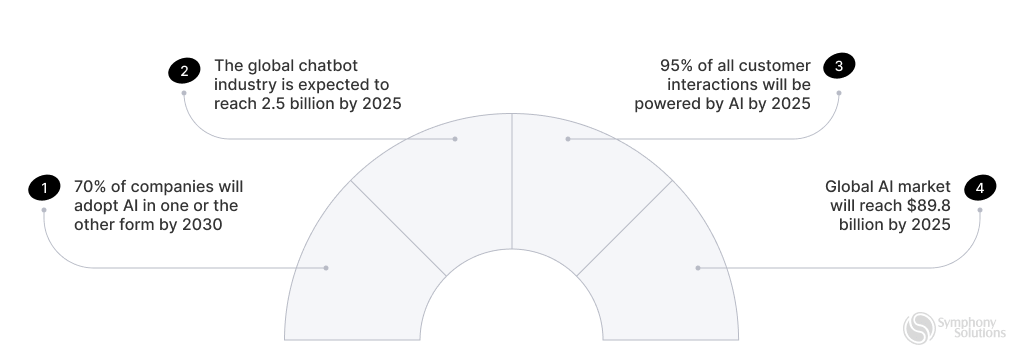
    Artificial Intelligence (AI) has become a trusted ally in modern business, fine-tuning product offerings, simplifying inventory processes, and boosting logistics operations. But, the real magic unfolds in enhancing the customer experience. Through intelligent virtual assistants, chatbots, and personalized recommendations, AI meets the growing demands for positive buyer journeys. It’s predicted that AI will drive 95% of all customer interactions by 2025, marking a significant shift in how businesses engage with customers. 

    ai-customer-experience-article

    For your business to stay competitive in this landscape, learn how AI can improve customer experience. This article will reveal how to leverage this technology to enhance customer interactions. We will also use real-world examples to show the positive impact this technology can have on your support service. 

    Let’s begin! 

    What is Customer Experience? 

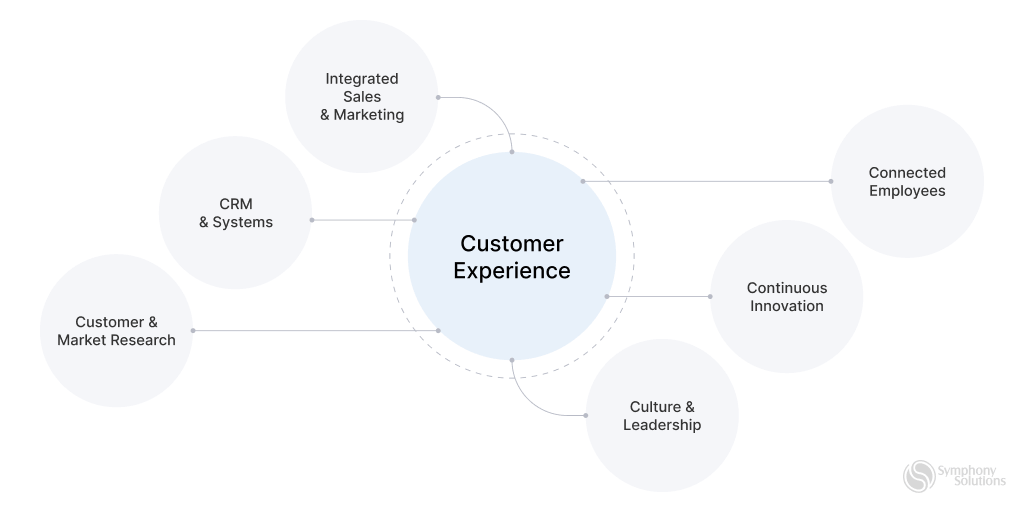
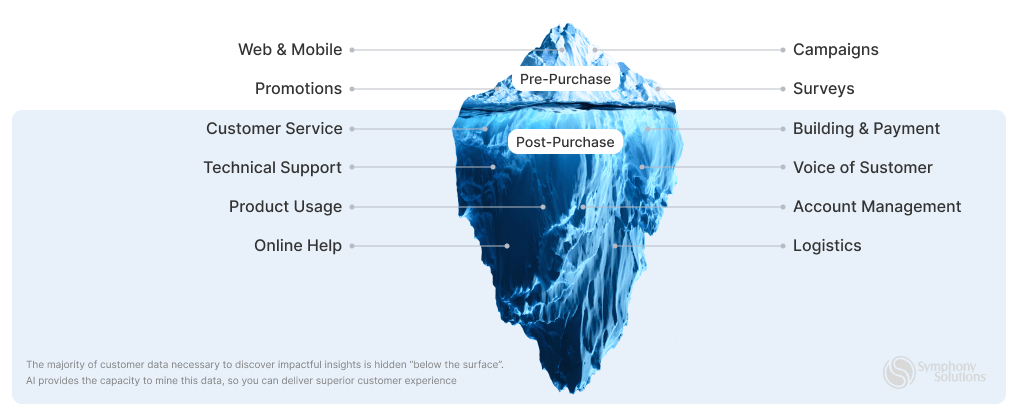
    Customer Experience (CX) refers to customers’ overall perception and feelings about a brand or company based on their interactions, transactions, and engagements at various touchpoints. It involves every physical or digital interaction between the customer and the business, including product/service quality, customer service, marketing, and more. CX is a holistic concept that goes beyond individual transactions to encompass the entire customer journey. 

    AI-driven customer experience refers to integrating Artificial Intelligence technologies, such as machine learning, natural language processing, and data analytics, into customer-facing processes and interactions. The goal is to provide customers with more personalized, efficient, and contextually relevant experiences throughout their journey with a brand. 

    what-is-customer-experience

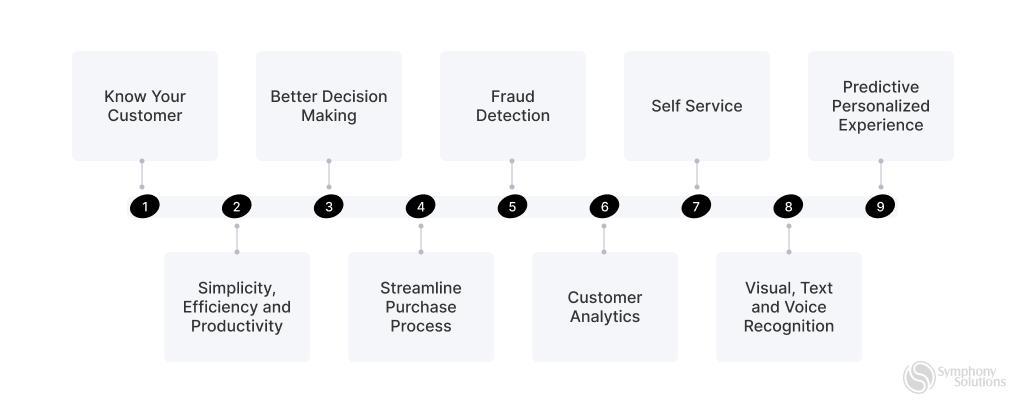
    Here are the key components that make AI for customer experience possible: 

    • Sentiment Analysis 

    Sentiment analysis uses artificial intelligence to determine a text’s sentiment or emotional tone. It classifies text as positive, negative, or neutral, helping businesses and organizations gauge public opinion. 

    • Predictive Analytics 

    Predictive analytics recognizes patterns and makes predictions about future events. It helps to anticipate customer behavior, forecast demand, optimize resources, and provide tailored recommendations. 

    • Machine Learning (ML) 

    Machine learning trains algorithms to learn from data and enhance their performance. It enables pattern recognition, predictions, and automated tasks without explicit programming. ML can extract insights from demographics, interests, and trends. 

    • Natural Language Processing (NLP) 

    NLP helps systems to understand, interpret, and generate human language. It’s used in chatbots, language translation, and text analysis. It helps with faster, more personalized, and more efficient interactions. 

    • Named Entity Recognition (NER) 

    NER identifies and classifies named entities, such as the names of people, places, organizations, and dates, in text. In business, it extracts relevant data from inquiry streamers processes and provides quicker, more accurate responses. 

    • Computer Vision 

    Computer vision enables machines to interpret and understand visual information. This technology includes tasks like image recognition for faster troubleshooting, optical character recognition (OCR), and facial recognition for personalized service. 

    Benefits of Integrating AI into Customer Experience 

    benefits of integrating AI

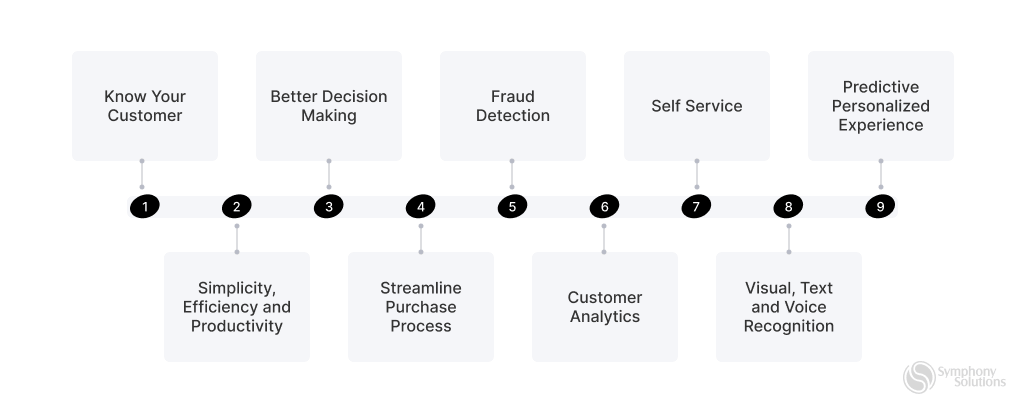
    So, exactly how is AI transforming customer experience? Here are some of the key benefits of integrating AI into customer experience: 

    Enhanced Efficiency in Customer Support 

    AI-powered chatbots and virtual assistants can handle a significant portion of support inquiries. These automated systems deliver rapid responses, resolve routine issues, and seamlessly escalate complex problems to human agents. No wonder 33% of consumers consider chatbot interactions in customer service as “highly effective.” By automating repetitive tasks, AI enhances the efficiency of support operations, cutting down on wait times and ensuring timely resolutions. 

    24/7 Accessibility 

    With AI-powered chatbots, clients can access assistance at any hour, irrespective of time zones or business hours. This constant accessibility elevates customer satisfaction and allows businesses to cater to a global client base. 

    Scalable Personalization 

    Artificial intelligence allows businesses to deliver personalized experiences at scale. AI-powered tools analyze customer data, gaining insights into individual preferences, behaviors, and purchase history. This empowers businesses to customize their offerings, recommendations, and promotions for each client, fostering loyalty and satisfaction. A SurveyMonkey survey indicates that 42% of customers value AI-powered product suggestions. 

    Seamless Multichannel Support 

    AI-powered systems smoothly integrate with various communication channels — websites, mobile apps, social media platforms, and messaging apps. This enables visitors to engage with businesses through their preferred channels, ensuring a seamless and consistent experience across multiple touchpoints. 

    Reduced Response Times 

    AI significantly reduces response times by swiftly addressing inquiries. Chatbots, for example,  supply immediate answers to frequently asked questions, reducing the need for visitors to wait for human agents. This not only boosts customer satisfaction but also enhances operational efficiency. 

    Enhanced Profitability through Cost Reduction 

    By automating routine customer interactions, AI lightens the load on human agents, enabling them to focus on more complex and value-added tasks. This results in cost savings by reducing the required support agents and improving overall productivity. Additionally, AI-powered systems can simultaneously handle more inquiries, further trimming operational costs. 

    Data-Driven Insights 

    Artificial intelligence can dissect vast customer data to discover invaluable insights and patterns. Not surprisingly, 62% of customers are open to AI using their data to enhance their experiences. These insights inform product development, marketing strategies, and service enhancements, propelling business growth. 

    Provision of Self-Service Tools 

    AI-powered self-service tools, including knowledge bases, interactive FAQs, and interactive virtual assistants, enable shoppers to locate what they need online independently. At least 55% of Gen-Z individuals love this feature as it empowers them to resolve their issues without assistance. 

    Streamlined Purchasing and Increased Sales 

    Artificial intelligence streamlines the purchasing process by delivering personalized product recommendations, aiding in product comparisons, and offering real-time inventory information. These capabilities elevate the buying experience and heighten the likelihood of conversion and upselling, ultimately boosting sales growth. 

    Incorporating artificial intelligence into your support service strategy empowers your business to provide exceptional customer experiences and foster enduring relationships in today’s competitive market. To explore more on how to use AI to improve customer experience and learn how to implement AI-powered tools in your business, check out our dedicated AI services page

    Real-world Examples of AI Enhancing Customer Experience 

    Real-world Examples of AI Enhancing Customer Experience 

    How can AI be used to enhance customer experience? Here are some examples of how artificial intelligence is applied in different industries to improve customer experiences: 

    E-Commerce Platforms Using AI for Product Recommendations 

    E-commerce websites like Amazon utilize AI algorithms to enhance user experience through product recommendations. When shoppers browse or make a purchase, AI analyzes their behaviour and preferences. This data is then used to suggest relevant products. This makes the shopping experience more personalized and increases sales by guiding buyers toward items they are likely interested in. 

    Banking Sector Using Virtual Assistants for Customer Queries 

    Many banks, including industry leaders like JPMorgan Chase, Wells Fargo, and Bank of America, have integrated AI-powered virtual assistants to aid clients with their inquiries and transactions. These intelligent virtual assistants can respond quickly to common questions, help with account balance inquiries, and even assist in processing transactions, only escalating to a human agent when necessary. This improves the efficiency of the support service and allows customers to get answers and support 24/7, enhancing their overall banking experience. 

    Retail Stores Using AI for Inventory Management and Personalized Marketing 

    Retailers employ artificial intelligence to manage inventory more efficiently. AI algorithms analyze sales data and inventory levels to ensure that products are in stock when buyers want them. Moreover, AI helps personalize marketing efforts. By studying buyer behavior and purchase history, retailers can tailor promotions and recommendations to individual preferences, making the shopping experience more relevant and engaging. 

    Gaming Platforms Using AI To Enhance Player Experience 

    In the gaming industry, artificial intelligence is increasingly used to improve the player experience in various ways. BetHarmony AI assistant, a bot crafted by Symphony Solutions, stands as a testament to the power of AI. This tool promptly supports users by answering routine questions, guiding through account details, presenting betting options and odds, assisting in bet placements, and delivering additional help when necessary. AI can also be taught to create more challenging and dynamic gameplay, keeping players engaged and entertained. 

    Now that you know how AI can improve customer experience, you can leverage it in your business to build long-lasting relationships with the people that matter and maintain a competitive edge in your industry.  

    Challenges and Considerations for Using AI in Customer Experience 

    Challenges and Considerations for Using AI in Customer Experience 

    Like every innovative tech, integrating AI and customer experience has its fair share of challenges. Here’s what to know when considering AI implementation for improving customer experience. 

    Data Privacy and Security 

    Statista states that cybersecurity is the primary concern for AI adoption in business. Unauthorized access or data breaches can result in substantial legal and reputational ramifications. However, by diligently implementing stringent data security measures in alignment with pertinent regulations (e.g., GDPR), you can ensure the transparency of data collection and usage and foster trust and confidence among your customers. 

    Balancing Human Interaction 

    While using AI to improve customer experience can enhance efficiency, it risks dehumanizing customer interactions. Striking the right balance between automated AI support and human interaction is crucial for maintaining a personal touch. To this end, use artificial intelligence to handle routine tasks but always offer the option for people to connect with human agents when necessary. 

    Algorithmic Bias 

    AI algorithms may inadvertently exhibit bias based on the data they are trained on, leading to unfair or discriminatory treatment of certain customer groups. To prevent this from happening, regularly audit and review AI algorithms, diversify training data, and employ fairness-aware techniques to mitigate bias. Ensure your AI models are ethical and inclusive. 

    Integration Challenges 

    Integrating AI systems into existing infrastructure can be complex and disruptive. Compatibility issues and resistance to change within an organization are two factors that can impede seamless integration. To avoid these problems, be sure to plan integration carefully. Involve relevant stakeholders and get their buy-in before making any commitment. Next, choose AI solutions compatible with your current systems or work with a tech partner who can tailor AI solutions to your needs. 

    Scalability and Cost 

    The cost of implementation is another significant challenge to AI customer service. Initial investments, ongoing maintenance, staff training, and data storage costs can add up. It is best to develop a clear roadmap for AI implementation for a cost-effective approach, considering long-term scalability and cost implications. Focus on solutions that offer flexibility and efficiency to manage expenses effectively. 

    Future Trends and Predictions for AI in Customer Experience 

    The future of AI customer experience holds great potential. We can expect innovations to help the customer journey as AI technologies advance. Here are some trends and predictions to look out for. 

    Evolving AI Technologies 

    • Sentiment Analysis and Predictive Problem-Solving: AI will better understand and analyze buyer sentiment through text and voice inputs. This will enable businesses to proactively address issues and predict customer problems, enhancing overall customer satisfaction. 
    • Personalization Engines: AI-powered personalization engines will get better at using customer data to tailor product recommendations, content, and marketing efforts. This level of personalization will boost customer engagement and conversions. 
    • Enhanced Self-Service Solutions: AI-driven self-service tools like virtual assistants and chatbots will evolve, empowering customers to resolve queries and issues independently and minimizing the reliance on human assistance. 
    • AI Integration with AR, VR, and IoT: AI will seamlessly merge with augmented reality (AR), virtual reality (VR), and IoT devices, delivering immersive and interactive customer experiences, especially in e-commerce and retail. 

    Future Predictions 

    • Increase Use of Chatbots: Chatbots will play a ubiquitous role in support service in the coming months, with the global chatbot market projected to reach $27,297.2 million by 2030. These tools increasingly handle routine inquiries, allowing human agents to focus on more complex issues. 
    • Enhanced AI Personalization: AI’s ability to analyze vast amounts of data will continue to improve, leading to highly personalized customer experiences. A HubSpot survey shows that 46% trust AI for personalization, including tailored product recommendations, content, and communication. This number will likely grow in the near future. 

    Conclusion 

    As the digital landscape continues to evolve, embracing artificial intelligence for customer experience becomes not just a choice but a necessity for any forward-thinking organization. However, working with the right tech partner is the key to leveraging this transformative technology. This is where we come in at Symphony Solutions. 

    With a proven track record in AI transformation and custom AI solutions integration, we can help your organization leverage artificial intelligence to provide exceptional, personalized customer experiences, harnessing the full potential of AI’s capabilities. 

    Connect with Symphony Solution today to find out how AI can improve customer experience in your business. 

    FAQs

  • Embracing Digital Assurance Into Your Organization

    Embracing Digital Assurance Into Your Organization

    The desire for top-tier digital experiences is growing among businesses as the digital world progresses. A report from ReportLinker captures this momentum, revealing that the digital assurance market surged from $4.9 billion in 2022 to $5.79 billion in 2023 — an impressive year-on-year growth of 18.0%. This trend reveals how organizations are increasingly prioritizing digital quality and excellence. 

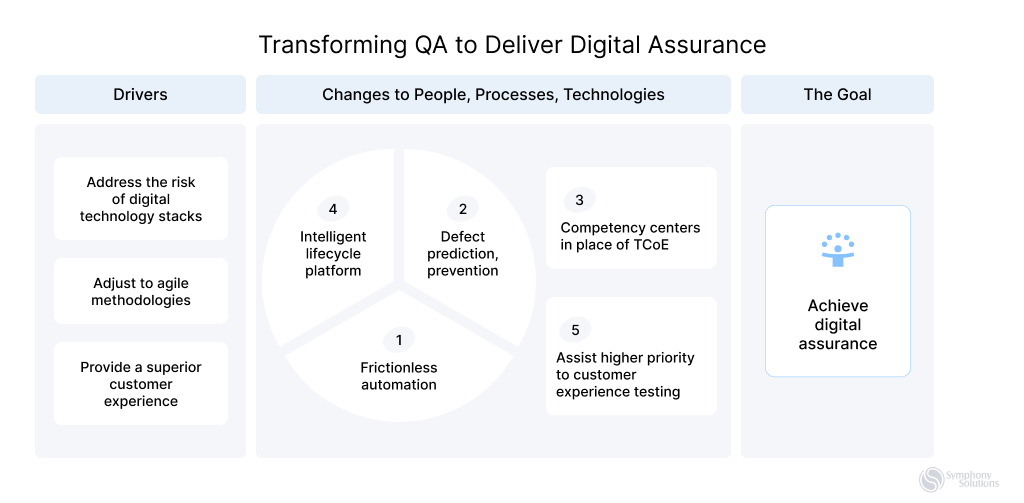
    But, what is digital assurance? Think of it as a promise — an organization’s commitment to delivering digital services that are reliable, user-friendly, and secure. Digital assurance goes beyond Quality Assurance by prioritizing user experience. It ensures seamless interactions within a digital ecosystem, integrating people, processes, and components across mobile platforms, analytics, cloud technologies, and data assurance, which safeguards data accuracy, completeness, and security. 

    Transforming QA to Digital Assurance

    Adding to the importance of digital quality assurance is the concept of transparency. What is digital assurance and transparency? It’s about instilling confidence in users, letting them know they’re in safe hands and that their data is treated with the utmost respect and integrity. Digital assurance and transparency go hand in hand. This article will explore the ins and outs of digital assurance, why it’s essential, and how organizations can embrace it effectively.  

    Benefits of Digital Assurance 

    digital assurance image - advantages

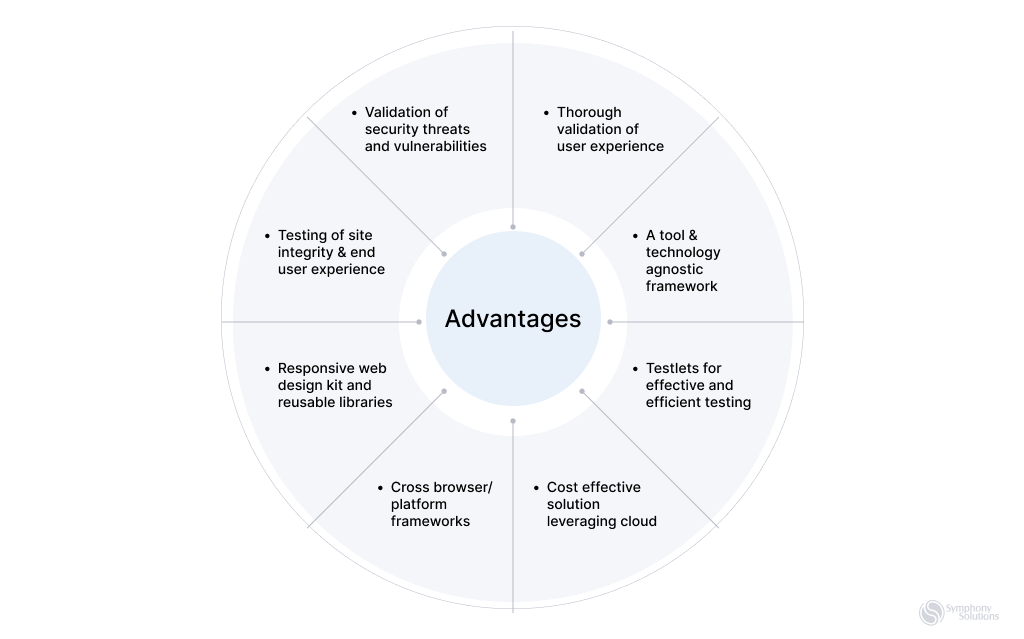
    Digital assurance brings a multitude of advantages to organizations, optimizing their operations and bolstering their success. Here are some of the benefits:  

    Optimal Utilization of Skills and Resources 

    Digital assurance allows organizations to leverage resources in the most cost-effective manner. For instance, a company might utilize cloud-based testing tools to ensure their mobile app functions seamlessly across different devices, saving both time and money. 

    Risk Identification and Mitigation 

    Through digital assurance testing services, potential pitfalls, such as security vulnerabilities in a new software release, can be identified early. Strategies, like penetration testing, can then be employed to counteract these risks, ensuring customer data remains secure. 

    Clear Accountability 

    With digital assurance, roles are distinct. For example, in a digital project, while developers focus on building features, quality assurance teams ensure these features meet the set standards, ensuring everyone knows their specific responsibilities. 

    Enhanced Workflow and Predictability 

    Digital assurance streamlines processes. A company launching a new website might use automated testing tools to quickly identify and fix bugs, leading to faster deployments and predictable launch dates. 

    Cost Efficiency 

    By employing digital assurance services, companies can avoid costly post-launch fixes. For example, catching a design flaw in the prototype stage of a product can save significant redesign costs later on. 

    Achieving Business Goals:  

    Digital assurance ensures alignment with objectives. An e-commerce platform, for instance, might prioritize a seamless checkout process to boost sales, ensuring that the digital strategy directly supports the business goal of increased revenue. 

    Consistent User Experience:  

    With digital assurance, companies can offer consistent experiences. For example, a banking app might use digital assurance to ensure that users have the same smooth experience whether they’re checking their balance or transferring funds. 

    Implementing Digital Assurance into Your Organization 

    Explore the following steps to effectively adopt digital assurance and enhance your digital initiatives: 

    Evaluating the Current Digital Assurance Capabilities of Your Company 

    Start by conducting a comprehensive audit of your existing digital platforms, applications, and services. This evaluation will provide a clear snapshot of your current capabilities. Additionally, gathering feedback from end-users, stakeholders, and internal teams can offer invaluable insights into their experiences and challenges.  

    Identifying Places That Need Work 

    Once you have a grasp on your current state, identify areas of improvement. Focus on addressing user feedback and auditing for pain points. Ensure your technology stack aligns with digital assurance goals and conduct thorough security assessments. Digital assurance testing is crucial for security and functionality. 

    Creating a Plan for Digital Assurance 

    With a clear understanding of where improvements are needed, it’s time to craft a strategic plan. Set clear, measurable objectives for what you aim to achieve with digital assurance. Whether your goal is to enhance user experience, bolster security, or expedite delivery times, having well-defined targets will guide your efforts. Given the areas that need work, prioritize tasks, ensuring that the most critical issues are addressed first. 

    Assembling a Squad for Digital Assurance 

    The success of your digital quality assurance efforts relies on the team behind it. Form a cross-functional team from development, testing, user experience, and security departments for a holistic approach. Invest in training, workshops, certifications, and sessions to equip them with the latest skills and knowledge. Digital quality assurance services are essential for success. 

    Utilizing Technologies and Instruments for Digital Assurance 

    Technology is the backbone of digital assurance. Embrace automation tools like Selenium for testing or JIRA for issue tracking to streamline processes. Performance monitoring is equally vital. Platforms like New Relic or Datadog can offer real-time insights into the performance of your digital assets, helping you identify and address issues promptly. On the security front, tools like OWASP ZAP can be invaluable for scanning vulnerabilities and ensuring robust protection. 

    Tracking and Measuring the Effectiveness of Digital Assurance Initiatives 

    As with any strategic initiative, measuring the effectiveness of your digital assurance efforts is paramount. Define key performance indicators (KPIs) that resonate with your objectives. These could range from reduced downtime and faster issue resolution to improved user satisfaction scores. Establishing a continuous feedback loop with users can offer insights into the impact of your initiatives.  

    Factors that Drive Organizational Adoption of Digital Assurance Initiatives 

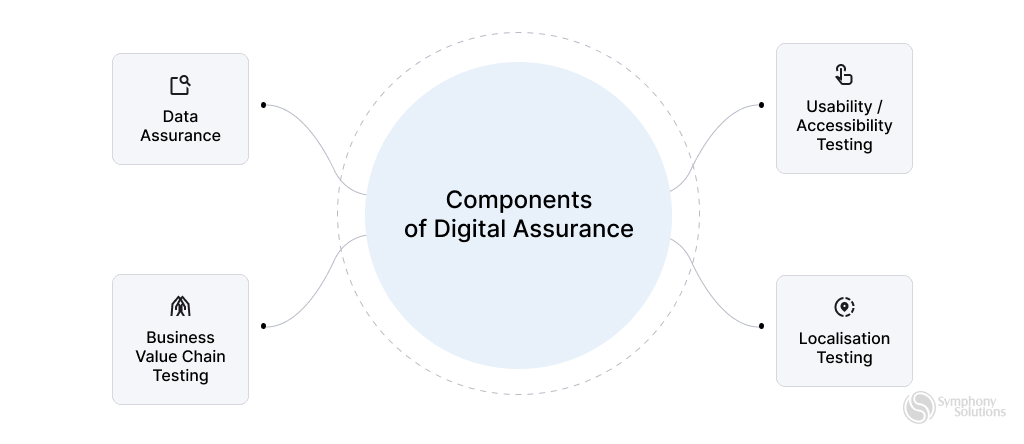
    components of digital assurance

    Here are the factors that motivate organizations to embrace digital assurance initiatives: 

    Complexity of the Digital Landscape 

    Today’s digital ecosystem is vast and intricate, especially with the convergence of Social, Mobile, Analytics, and Cloud technologies. It’s essential that these elements align with organizational goals. Digital assurance ensures a cohesive and seamless interaction across all digital components. 

    Security Vulnerabilities in the Digital Space 

    In our interconnected era, the potential for security breaches is heightened. While interconnected ecosystems unlock numerous possibilities, they can also be vulnerable if not properly configured and tested. Digital assurance steps in to fortify security, protecting both organizational assets and user data. 

    Integration with Legacy Systems 

    For enterprises rooted in pre-digital times, transitioning isn’t just about technology—it’s about culture. As they integrate modern digital solutions, it’s crucial to ensure legacy systems are harmoniously incorporated. Digital assurance smoothens this transition, bridging the gap between the old and the new. 

    Impact of Digital on Customer Experience 

    Customer experience can be a make-or-break factor. As organizations deepen their digital footprints, maintaining consistent and optimal performance across all touchpoints becomes a challenge. Digital assurance focuses on refining these interactions, ensuring every digital touchpoint meets user expectations. 

    Agility in the Digital Era

    The ever-evolving digital world demands swift adaptability. Organizations must be prepared to quickly roll out updates or address issues. Digital assurance supports this agility, enabling businesses to adapt and evolve efficiently. 

    Digital Assurance Best Practices 

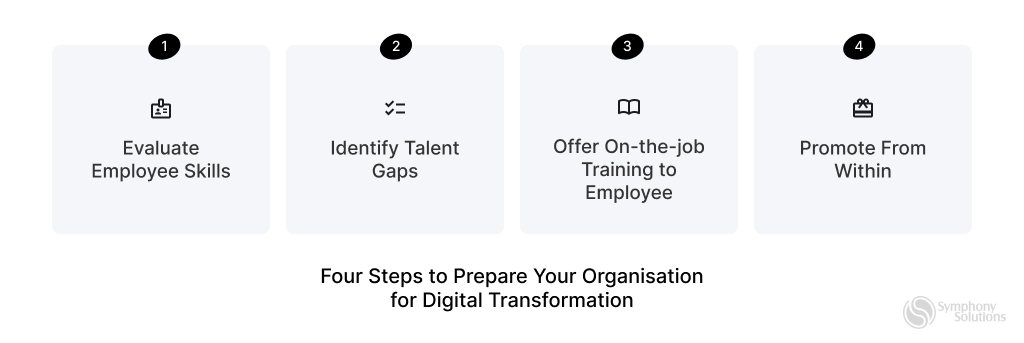
    steps to prepare your organisation for digital transformation

    Here are the key practices for effective digital assurance: 

    Integrate Digital Assurance Early in the Development Lifecycle 

    The earlier digital assurance is integrated into the development process, the better. By doing so, potential issues can be identified and addressed at the onset, reducing the likelihood of costly and time-consuming fixes later on. For instance, when developing a new mobile application, incorporating digital assurance during the design phase can help identify usability concerns, ensuring a smoother user experience upon launch. 

    Foster Collaboration Across Teams and Stakeholders 

    Digital assurance isn’t an isolated function; it requires collaboration across various departments, from development to marketing. Regular communication and feedback loops with all stakeholders ensure that everyone is aligned with the organization’s digital goals. For example, by collaborating with the marketing team, digital assurance professionals can better understand customer expectations and tailor their testing processes accordingly. 

    Stay Abreast of Emerging Technologies and Trends 

    The digital landscape is ever-evolving. To ensure that digital assurance practices remain effective, it’s crucial to stay informed about the latest technologies, tools, and industry trends. This might involve attending webinars, participating in workshops, or joining relevant online communities. By staying updated, organizations can leverage the latest tools and methodologies, ensuring that their digital assets are always at the forefront of innovation. 

    Continuously Review and Refine Digital Assurance Processes 

    The digital assurance journey doesn’t end once a system or application is launched. It’s a continuous process of review and refinement. Regular audits of digital assurance practices can help identify areas of improvement. This could involve revisiting testing protocols, exploring new automation tools, or seeking feedback from end-users. A commitment to ongoing improvement ensures that digital assurance practices remain robust and effective in delivering optimal digital experiences. 

    Conclusion 

    Adopting digital assurance empowers organizations to deliver reliable and superior digital experiences. With Symphony QA services, you can ensure reliability, meet user expectations, and elevate your brand’s reputation. Digital assurance is more than just a technical safeguard—it’s a strategic investment that boosts customer trust and drives organizational success in the digital age.  

  • AI For Business Process Automation: Opportunities & Benefits 

    AI For Business Process Automation: Opportunities & Benefits 

    History has a simple lesson — adapt or get left behind. Now, more than ever, this rings true in the business world. Companies that welcome new tech, especially AI for Business Process Automation (BPA), aren’t just keeping up; they’re leading. Little wonder over 35% of global companies are embracing this technology. 

    business process automation

    AI business process automation is turning heads due to its vast benefits, from streamlining processes to enhancing customer engagement. Beyond improving accuracy and revenue, it enables teams to zero in on broader strategic objectives.  

    Let’s begin. 

    What is Business Process Automation?  

    how to set up business process automation

    Ever imagined a world where routine tasks take care of themselves, giving you more time to focus on what truly matters? Welcome to the realm of Business Process Automation (BPA)! BPA is a game-changing strategy that harnesses the power of technology to optimize an organization’s regular, manual, and rule-based tasks. Through automated solutions, it endeavors to boost productivity, minimize errors, and refine operations, all while reducing or even replacing human intervention.  

    Intelligent business process automation tools go a step further. They utilize advanced technologies like data-driven process automation (DPA), robotic process automation (RPA), artificial intelligence (AI), and machine learning (ML). These tools and algorithms are designed to manage intricate decision-making processes, ensuring more sophisticated and efficient outcomes. 

    How to Leverage AI for BPA 

    key-benefits-of-bpa

    In the modern business landscape, AI for business automation isn’t just a flashy buzzword—it’s a powerful tool with the potential to revolutionize the way we approach tasks and strategies. Here’s how companies are using AI to supercharge their BPA efforts in various key areas: 

    Revenue 

    Businesses can gain valuable insights into customer behavior, preferences, and purchasing patterns by leveraging AI technologies. This allows companies to personalize their marketing efforts, optimize pricing strategies, and offer targeted product recommendations, ultimately leading to increased sales and revenue generation. 

    Example: 

    Identifying the rapid evolution in the sports betting and online casino industry driven by technological advancements, we, at Symphony Solutions, took a giant leap by introducing BetHarmony, a revolutionary iGaming AI assistant. This innovation significantly enhances user experience from onboarding, through bet placement, to customer support on sports betting platforms. Powered by OpenAI’s ChatGPT and Opti-X technologies, BetHarmony transcends traditional chat bots, addressing the core challenges faced by both customers and operators, thereby showcasing the immense potential of AI in enhancing customer engagement, boosting betting revenues, and substantially reducing operational costs through automation. 

    Customer Satisfaction 

    Customer satisfaction is key to a business’s success, leading to repeat business and good reviews. According to Daniel Newman in his 2020 Forbes article, 86% of customers are willing to pay more for better service. AI can help a lot here by taking care of routine tasks, so your team has more time for customers. Plus, AI can help offer personalized experiences, which 80% of customers value, according to Epsilon. If your business hasn’t explored AI yet, now is a good time, and Symphony Solutions can help. Reach out to us to learn how our AI solutions can help improve customer satisfaction and grow your business. 

    Example: 

    Our collaboration with Graphyte, a UK-based start-up SaaS company, led to the creation of ‘Graphyte Recommend,’ a platform aimed at providing ultra-personalized recommendations in the iGaming industry. By deploying Graphyte Recommend alongside Intelligent Layouts, we were able to tailor content to players’ preferences, including navigation, banners, and promotions, thus creating a 100% custom-generated lobby for each player. This AI-driven approach not only personalized the user experience but also automated common tasks, which is a key aspect in reducing operational costs. 

    Expedite Workflows and Improve Efficiency 

    Workflow efficiency is critical in optimizing business operations, enabling quicker task execution and diminishing operational bottlenecks. Utilizing AI for automating mundane tasks liberates your team to focus on higher-value activities, simultaneously expediting task completion and alleviating process bottlenecks. Moreover, AI’s capability to tailor customer experiences is commendable, aligning with the Epsilon statistic that 80% of customers favor personalized interactions. If your enterprise has yet to explore the AI frontier, the opportune moment is now, and Symphony Solutions is poised to assist. Engage with us to uncover how our AI-driven solutions can enhance workflow efficiency, augment customer satisfaction, and propel your business trajectory upward. 

    Example

    Graphyte Recommend remarkably accelerated the client’s workflow and enhanced operational efficiency. The automation of the personalization process led to a reduction in resources typically allocated for manual content curation and customer engagement management. Moreover, the smart lobby, crafted through Intelligent Layouts, streamlined the delivery of personalized content, promotions, and new game launches. This automation significantly reduced the need for manpower and slashed operational costs associated with these tasks, demonstrating a substantial improvement in efficiency. 

    Scale More Easily 

    scale business process image

    Using AI for business process automation, organizations can facilitate the automation of previously manual processes, allowing companies to handle increased workloads without a proportional resource increase. 

    Example: 

    The innovation of EMBRY, an AI application tailored to predict IVF outcomes, exemplifies how AI facilitates effortless scaling in healthcare. By meticulously analyzing the IVF process using extensive data including embryo images, EMBRY not only accelerates the predictive analysis of IVF outcomes but also fosters enhanced collaboration between clinics, research centers, and hospitals. The cloud-native development at its core allows for seamless scalability and resource optimization, enabling healthcare institutions to extend their research and diagnostic capabilities effortlessly.  

    Moreover, by refining the embryo selection stage through precise predictions, EMBRY contributes to an increased success rate of IVF procedures, which translates to fewer attempts, reduced financial burdens, and a decrease in the psychological toll on patients. This AI-driven approach, therefore, not only scales up the efficiency and success rate of IVF procedures but also broadens the horizon for clinical research, diagnostics, and educational ventures in reproductive healthcare. 

    Innovation 

    Using AI for business process automation, organizations can explore new areas of research and development, uncovering insights and possibilities that were previously inaccessible. AI-powered algorithms can analyze vast amounts of data, identify patterns, and make recommendations that lead to innovative ideas and solutions. 

    Example: 

    At Symphony Solutions, our collaboration with Graphyte ignited a spark of innovation in the Sports Betting and iGaming sector. Together, we crafted a unique tool that helps gaming platforms tailor suggestions to players, akin to how Netflix recommends shows. Starting from a mere idea, our journey led to the birth of a real, operational tool, enhancing the user-friendliness of gaming sites.  

    We navigated through tech challenges, optimizing the tool to function faster and at a lower cost, while ensuring it stays updated with new game additions in real-time. This endeavor exemplifies our commitment to leveraging smart tech solutions, ushering in exciting advancements in the gaming realm, enriching the experience for players and creating a win-win scenario for the gaming platforms. 

    Operating Costs 

    By automating repetitive and time-consuming tasks, companies can streamline their operations, reduce the need for manual labor, and free up resources to focus on more strategic initiatives. This enhances productivity and reduces the likelihood of human errors, minimizing associated costs. 

    Example: 

    A manufacturing company that traditionally relies on manual data entry and paper-based processes for inventory management can reduce operating costs by switching to an AI-powered inventory system. By implementing this automated system, they can track stock levels, reorder products when necessary, and even predict maintenance needs for machinery. AI-powered business tools can identify unnecessary expenses, cut costs, and optimize budgets. 

    Brand Recognition 

    Businesses can leverage intelligent business process automation tools to personalize customer experiences, offering products and services tailored to their needs and preferences. This personalization helps businesses create a deeper connection with their customers, leading to increased loyalty and advocacy 

    Example: 

    Maintaining a robust online presence is crucial for brand recognition, and social media automation is one way to make this work. Social media management tools like Hootsuite can automate social media posting and engagement. For example, a marketing team can schedule posts in advance, ensuring a consistent and engaging presence across various platforms. Automated responses to customer inquiries and comments also enhance brand responsiveness and reputation. 

    Market Share 

    AI algorithms can analyze customer data, market trends, and competitor activities, providing valuable insights that allow businesses to make informed decisions and take proactive actions. This data-driven approach will enable companies to stay ahead of the curve and position themselves effectively in the market. 

    Example: 

    A retail company can use machine learning algorithms for data analytics and customer insights, delivering better services and boosting its market share. The company can tailor marketing campaigns, product offerings, and pricing strategies by identifying trends and patterns to capture a larger market share. Data-driven insights enable businesses to make informed decisions to gain a competitive edge. 

    There’s a lot to gain from using AI to make everyday tasks easier. If your organization hasn’t stepped into this tech, it’s about time, and Symphony Solutions is here to help. Get in touch today to learn more about our AI-powered solutions for business transformation. 

    AI Tools For Business Process Automation 

    intelligent process automation

    Here are some categories of AI tools for Business Process Automation, along with some top examples: 

    Robotic Process Automation (RPA) 

    In an era where businesses need agility and efficiency, manual, repetitive tasks can hinder growth. That’s where RPA comes into play, offering a solution that not only speeds up processes but also minimizes errors. 

    RPA software revolutionizes business operations by employing software bots that emulate human actions and automate rule-based tasks. These bots handle monotonous and repetitive chores like data entry, invoice processing, and report generation. What sets RPA apart is its ability to seamlessly integrate with existing systems, effectively reducing the necessity for manual intervention while elevating precision. RPA is already being adopted by more than 78% of companies in their operations, making it a noteworthy contender in the age-long BPA vs. RPA discussion. 

    Examples are: 

    • UiPath 
    • Automation Anywhere 
    • Blue Prism 
    • IBM Robotic Process Automation 
    • Microsoft Power Automate 

    Chatbots 

    Incorporating AI-driven virtual assistants like chatbots is a pragmatic stride in Business Process Automation (BPA). These chatbots, powered by sophisticated machine learning and natural language processing, automate routine customer interactions, which frees up the human staff to tackle more complex issues. By being available on various platforms like websites, mobile apps, and messaging services, they provide immediate responses, aligning with today’s customer expectations for quick assistance.  

    This immediate response mechanism not only enhances customer satisfaction but also optimizes operational efficiency. The fact that 23% of customer service organizations are utilizing AI chatbots is a testament to their relevance in modernizing and enhancing BPA, thus contributing to a streamlined, customer-centric, and cost-effective business operation.  

    Examples: 

    • ChatGPT 
    • Bing Chat 
    • Appy Pie Chatbot 
    • Ada 
    • LivePerson 

    Predictive Analytics  

    Predictive analytics, fueled by artificial intelligence, holds substantial relevance in the realm of Business Process Automation (BPA) by enabling data-driven foresight. By scrutinizing historical data to forecast demand or optimize inventory, it significantly streamlines operations and decision-making processes.  

    The insights derived from predictive analytics pave the way for automated, intelligent responses to evolving business scenarios, thus embodying a core aspect of BPA. The fact that 95% of companies have embedded AI-powered predictive analytics into their marketing strategies underscores its pivotal role in modern business automation, aligning operations closer to real-time market dynamics and customer preferences. Today, AI-powered predictive analytics has been incorporated into the marketing strategies of 95% of companies. 

    Examples include:  

    • Microsoft Azure Machine Learning 
    • Sisense 
    • Power BI 
    • SAP Predictive Analytics 
    • IBM Watson Studio 

    Workflow Automation 

    Integrating AI-powered workflow automation is a significant stride towards achieving Business Process Automation (BPA). By defining rule-based triggers for complex workflows, organizations not only expedite routine tasks but also ensure accuracy and consistency in operations.  

    The seamless integration of workflow automation with various systems broadens the scope of collaboration across departments, ensuring real-time updates and quicker decision-making. This minimization of manual effort and enhanced collaboration contribute substantially to BPA, driving operational efficiency, reducing costs, and ultimately improving the bottom line. 75% of companies utilizing workflow automation report a significant competitive edge. 

    Examples: 

    • Zapier 
    • Integrify 
    • Integromat 
    • Microsoft Power Automate 
    • Flokzu 

     Virtual Assistants 

    Virtual assistants, empowered by AI algorithms, are becoming indispensable tools in Business Process Automation (BPA). By handling routine tasks such as setting reminders and managing calendars, they free up valuable time for professionals to focus on strategic business activities.  

    Furthermore, their ability to offer personalized recommendations and seamlessly integrate with various applications and devices enhances operational fluidity. This integration leads to a more cohesive and efficient workflow, which is central to achieving higher productivity and effectiveness in BPA. The ease in managing daily tasks and the personalized touch they bring, play a vital role in modernizing and streamlining business processes. 

    Common examples include:  

    • Amazon’s Alexa 
    • Google Assistant 
    • Microsoft Cortana 

    Sales and Marketing Automation 

    About 28% of top businesses use AI for marketing. By automating routine marketing tasks like lead scoring, email campaign management, and customer segmentation with AI, companies are not only streamlining their operations but are also elevating their marketing strategies.  

    This AI-driven automation facilitates a more targeted and efficient marketing approach, leading to better sales outcomes and enhanced customer engagement. Hence, AI’s role in BPA isn’t just about automation; it’s about intelligently augmenting the operational processes to drive superior business results and customer satisfaction. 

    Examples are: 

    • HubSpot 
    • Salesforce Einstein 
    • Marketo 
    • Outreach 

     HR and Recruitment Automation 

    Deploying AI in HR operations demonstrates a practical approach towards achieving enhanced efficiency and data-driven decision-making. By automating key HR tasks like candidate screening and performance evaluations, AI facilitates a faster and more accurate process, reducing the likelihood of human error. This streamlined approach not only saves time but also optimizes resources, which is central to BPA. Ultimately, integrating AI in HR practices contributes to a more efficient and effective business process, aligning with the overarching goal of BPA to drive operational excellence.. AI is already employed in some capacity for HR by 88% of companies worldwide. 

    Top examples: 

    • Workday 
    • SAP SuccessFactors 
    • PeopleGPT by Juicebox 
    • PeopleStrong 

    Real Success Stories 

    article image- real success stories

    Using AI for business process automation is not just a catchphrase. Already, many businesses are leveraging this tech to improve their operations. The following are real business process automation use case stories of four brands enjoying the benefits of AI for business process automation. 

     
    American Express 

    AI Implementation: American Express implemented machine learning algorithms to sift through vast amounts of transaction data to identify potentially fraudulent activities. 

    Outcome: This led to an enhanced fraud detection system that can spot unusual spending patterns more quickly and accurately, thereby safeguarding the financial assets of both the company and its cardholders. 

    Starbucks 

    AI Implementation: Starbucks uses Predictive Analytics through its My Starbucks Barista app, where customers can place orders via a chatbot or voice commands. They also have a Digital Flywheel program which employs AI to analyze customer preferences and provide personalized marketing. 

    Outcome: The personalized recommendations and ease of ordering have led to increased customer satisfaction and spending, enhancing the overall customer experience. 

    Amazon 

    AI Implementation: Amazon introduced Amazon Go, a chain of convenience stores that leverage ‘Just Walk Out Technology’, which combines computer vision, sensor fusion, and deep learning to eliminate the need for checkout lines. 

    Outcome: This not only streamlined the shopping experience for customers but also demonstrated a revolutionary retail concept that may set the pace for future retail operations. 

    Netflix 

    AI Implementation: Netflix employs machine learning algorithms to analyze viewing patterns, preferences, and behaviors of its subscribers. This data drives their content recommendations and also informs their decisions on content creation and acquisition. 

    Outcome: By investing in shows and movies that are tailored to the preferences of its audience, Netflix has been able to reduce investment risks and increase viewer engagement and satisfaction. 

    Conclusion 

    When harnessed thoughtfully, artificial intelligence can be a powerful tool for businesses, whether you are thinking of AI in IT operations or AI in customer service. However, companies must remain aware of challenges such as data security, initial implementation costs, and lack of technical expertise. The latter area is where we come in at Symphony Solutions. 

    Key Takeaways: 

    Operational Efficiency: AI-fueled BPA significantly streamlines operations, minimizes manual errors, and accelerates task completion, freeing up human resources for more strategic endeavors. 

    Enhanced Customer Satisfaction: The ability of AI to personalize customer experiences, respond swiftly to inquiries, and predict consumer behavior is a game-changer in fostering customer loyalty and satisfaction. 

    Cost Reduction and Revenue Augmentation: By automating routine tasks and analyzing consumer data, AI helps in reducing operational costs and identifying revenue-maximizing opportunities. 

    Innovation and Scalability: AI opens the doors to new realms of innovation, helping businesses to easily scale operations and explore new avenues of growth. 

    Competitive Edge: Early adopters of AI for BPA are not only staying ahead of the curve but are also carving a niche for themselves in the competitive market landscape. 

    If you are among the 25% of companies that lack the tools or platforms to develop AI models, you are on the right page. Symphony Solution excels in crafting cutting-edge AI solutions for streamlined business process automation. Our dedicated team of experts combines cutting-edge AI technologies with industry-specific insights to develop tailored automation solutions that cater to your unique needs. Whether enhancing workflow efficiency, automating routine tasks, discovering artificial intelligence business opportunities, or improving customer experiences, Symphony Solutions AI solutions drive results. 

    Ready to unlock the full potential of AI for business process automation? Contact us today to explore automation opportunities with Symphony Solutions. 

    Get in touch.  

    FAQs

  • AI Tools For Enterprise: Driving Automation and Efficiency 

    AI Tools For Enterprise: Driving Automation and Efficiency 

    AI-powered automation is setting the stage for a transformative business era. As highlighted by the IBM Global AI Adoption Index, nearly half of enterprises are leveraging AI to enhance their IT, business, and networking capabilities. 

    The drive to adopt AI is motivated by its substantial benefits, thanks to cutting-edge AI tools that work efficiently behind the scenes. These advanced tools not only simplify complex processes, but also dive into data analytics, enhancing day-to-day operations, reducing manual efforts, and providing insights that truly matter. 

    Wondering which of these AI tools are becoming industry favorites? In the next sections, we’ll pull back the curtain, highlighting the AI tools that are taking center stage in driving automation efficiency. By the end, you’ll be well-versed in how they can elevate your business’s operations. 

     Let’s get started! 

    media-services-image-article

    What Is an Enterprise AI?

    Enterprise AI involves using artificial intelligence technologies within large organizations to automate tasks, analyze data for insights, enhance decision-making, and optimize processes across various departments like customer service, supply chain management, and more. It aims to improve efficiency, personalization, and risk management while requiring responsible AI practices and ethical considerations. 

    AI vs. enterprise AI 

    The key difference between AI and AI for enterprises lies in their application. While AI covers technologies and methods that mimick human cognitive functions, enterprise artificial intelligence involves the use of AI technologies within organizations to optimize processes, automate tasks, and enhance decision-making. 

    How AI is used in enterprises 

    percentage of brands-image-article

    Enterprise AI is used in a wide array of applications, including predictive analytics, natural language processing, process automation, and solution development. It can be employed in areas like customer service, finance, marketing, and supply chain management, significantly augmenting the process of decision-making, streamlining operations, and enhancing overall business performance. 

    Why Enterprises are adopting AI  

    Why Enterprises are adopting AI -image-article

    Benefits of AI in the enterprise 

    AI offers a wide range of advantages that optimize enterprise operations. Some of the top benefits are. 

    Personalized customer services and experiences 

    AI empowers businesses to offer personalized customer services by analyzing extensive data and understanding individual preferences. For example, marketing and product teams use intelligent systems to study customers’ purchasing patterns, and then tailor recommendations to suit their distinct styles, interests, and needs. This personalized approach enhances customer satisfaction and fosters loyalty, leading to higher sales and customer retention rates. 

    Improved monitoring 

    AI-powered monitoring systems swiftly analyze vast data volumes in real time, enabling prompt anomaly detection, pattern recognition, and recommending proactive interventions. This continuous oversight via AI boosts risk management, prevents potential disruptions, and ensures seamless business processes, bolstering operational efficiency and minimizing downtime. 

    Improved speed of business 

    AI automates various tasks and processes, significantly reducing the time required for manual execution. This technology can handle repetitive tasks with speed and precision, freeing up human resources to focus on more strategic and creative endeavors. This agility enables businesses to promptly respond to market dynamics, gain a competitive edge, and enhance profitability. 

    Better quality and reduction of human errors 

    AI for businesses proficiently analyzes intricate datasets, leading to improved accuracy and reduced errors. By reducing human errors and biases, AI reduces the risk of costly mistakes, ensuring high-quality outputs. For example, using AI tools in finance will consistently deliver error-free results, a feat that humans struggle to achieve. AI can consistently deliver reliable results, enhancing overall operational efficiency. 

    Better talent management 

    How AI is used in enterprises - image

    AI assists in talent management by automating recruitment, resume analysis, and candidate selection. AI-powered algorithms efficiently sift through applications, pinpoint exceptional candidates, and streamline hiring. AI can also provide valuable insights into workforce management, including employee engagement, performance evaluation, and training recommendations, leading to better talent development and retention. 

    Business model innovation and expansion 

    Enterprise AI applications empower businesses to uncover fresh market opportunities and forge new revenue streams by analyzing customer data, discerning trends, and project preferences. For instance, autonomous vehicle companies can exploit amassed data to unveil insurance-related revenue sources. Similarly, insurers can leverage AI to audit fleet management. By harnessing AI algorithms, enterprises foster inventive products and services tailored precisely to their clientele’s demands. 

    Industry-specific improvements 

    AI for businesses can be trained specifically to address industry-specific challenges. For example, in engineering, AI-driven robots adeptly execute intricate tasks, reducing the need for human involvement and errors. The financial industry can benefit from the ability of AI tools to dissect huge financial data, spot trends, and make precise recommendations empowering sound decision-making. 

    Better decisions 

    AI-powered algorithms can process vast amounts of data, identify patterns, and make predictions. This can help enterprises to make informed decisions guided by accurate insights, rather than relying on instinct or intuition. AI-powered predictive analytics can help enterprises identify potential risks, optimize resources, and allocate resources more efficiently. 

    Efficiency and productivity gains 

    AI-powered automation can streamline repetitive tasks, reducing the need for manual intervention and improving productivity. For example, AI chatbots can handle customer queries effectively, lowering service costs and boosting customer satisfaction. Algorithms can also optimize processes, identify bottlenecks, and recommend improvements, leading to greater efficiency and cost savings. 

    Improved service delivery 

    AI tools foster interactions with technology that are intuitive, precise, and superior. These tools enhance service quality by personalizing interactions and anticipating customer needs. A good example is Symphony’s BetHarmony AI chatbot which uses AI and NLP to deliver personalized experiences to enterprise customers in the gaming industry. Automated assistance, virtual assistants, and predictive solutions also foster seamless, round-the-clock service, improving customer satisfaction and loyalty. 

    To harness these advantages of machine learning in enterprise environments, take the proactive step of reaching out to Symphony Solutions. Our expert team can guide you in leveraging AI’s transformative influence, no matter your industry. 

    Risks associated with adopting enterprise AI

    Like any other cutting-edge technology, artificial intelligence for enterprise applications poses certain risks that organizations need to be aware of and address. They include: 

    • Unforeseen behavior: Deploying AI systems within complex business landscapes often results in unpredictable interactions with other systems, processes, and humans. AI algorithms can manifest unexpected behaviors causing disruptions, errors, and unintended consequences. A good example is Microsoft’s Bing AI incident, which cajoled misled users. Such behavior strains customer relations for brands employing such chatbots. 
    • Possibility of bias: AI algorithms trained on extensive data can inadvertently perpetuate biases present within that data. This potentially leads to prejudiced outcomes in areas like hiring and loan approvals. Companies must acknowledge and counteract bias risks through measures like data purification and algorithm audits
    • Privacy law violations: Stringent data privacy regulations demand that enterprise AI solutions handle customer data with care. Mishandling personal information in breach of data protection laws attracts severe penalties and reputational damage. To protect customer data while using enterprise artificial intelligence, organizations must enforce robust security measures and adhere to data protection protocols. 
    • Potential for errors: AI heavily relies on user input, and inaccuracies in these inputs can lead to erroneous decision-making. A Cornell University study revealed that developers with AI assistance produce less secure code than manual coding. Coding errors can cause software slowdowns or even compromise safety, triggering significant financial losses. 
    • Cyberattack vulnerability: As AI systems assume pivotal roles in organizational operations, they become prime targets for hackers. Vulnerable AI systems are prone to malicious attacks resulting in data breaches, system failures, and financial losses.

    Enterprise AI applications across industries 

    Enterprise AI applications across industries image-article

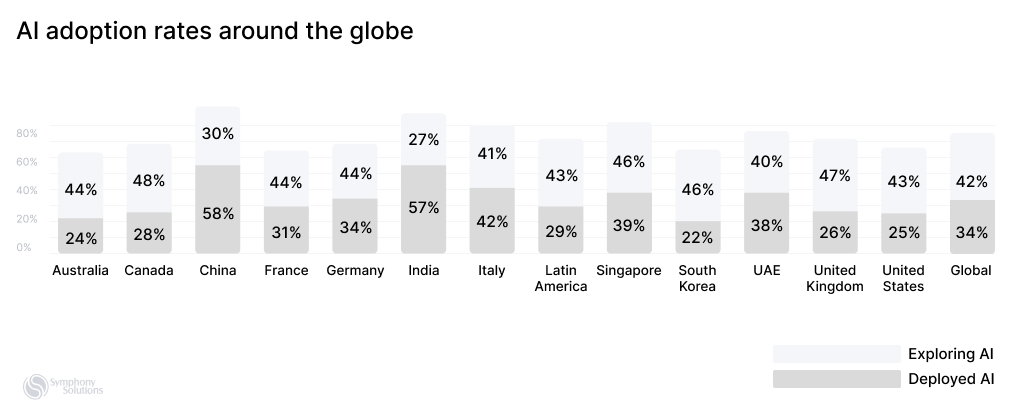
    According to IBM data, 35% of organizations have adopted Artificial intelligence in their operations. Here is how some of these enterprises use AI in different industries.  

    Banking 

    • Credit scoring: Using AI to assess an individual’s creditworthiness based on various data points, improving accuracy in lending decisions. 
    • Credit risk analysis: AI helps banks evaluate and manage credit risks by analyzing borrower data and market trends. 
    • Customer segmentation: AI segments customers based on behavior, demographics, and preferences, enabling personalized services. 
    • Personalized offers: AI analyzes customer data to create tailored product and service offerings, enhancing customer engagement. 
    • Fraud detection: AI identifies patterns and anomalies in transactions to detect fraudulent activities, enhancing security and trust. 

    E-commerce 

    • A/B testing: AI-driven experiments to compare different versions of a webpage, improving conversion rates and user experience. 
    • Chatbots and virtual assistants: AI-powered chatbots provide real-time customer support, guiding users and addressing queries. 
    • Product recommendations: AI suggests products based on user behavior, increasing cross-selling and upselling opportunities. 
    • Customer retargeting: AI optimizes ad targeting to re-engage users who have shown interest, boosting conversions. 
    • Demand forecasting: AI predicts product demand, aiding inventory management and supply chain optimization. 
    • Dynamic pricing: AI adjusts prices in real-time based on market conditions, maximizing revenue and competitiveness. 

    Finance 

    • Contract processing: AI automates contract review, extraction, and analysis, reducing manual workload and errors. 
    • Advanced analytics: AI analyzes vast financial datasets to extract insights and trends, aiding decision-making. 
    • Portfolio management: AI helps optimize investment portfolios by considering risk factors and market dynamics. 
    • Market and trading risk: AI models assess market risks, aiding traders and investors in making informed decisions. 

    Healthcare  

    • Disease detection and diagnosis: AI assists medical professionals in detecting diseases from medical images and diagnostic data. 
    • Telemedicine: AI enables remote consultations, diagnoses, and treatment recommendations. 
    • Clinical decision support: AI provides insights to healthcare providers, supporting treatment decisions and patient care. 
    • Data management: AI manages patient data, ensuring privacy, security, and compliance with regulations. 
    • Disease forecasting: AI models predict disease outbreaks and trends, aiding public health efforts. 
    • Disease research and treatment: AI accelerates drug discovery, genomics research, and treatment development. 

    Environment 

    • Pollution Monitoring: AI evaluates air and water quality in real-time, providing insights for corrective measures. 
    • Waste Management: AI predicts waste generation trends and optimizes waste collection routes. 
    • Biodiversity Protection: AI tracks endangered species and their habitats, aiding conservation efforts. 
    • Climate Modeling: AI helps in accurate predictions of climate changes, aiding in preparedness and mitigation. 
    • Renewable Energy: AI optimizes the production and consumption of renewable energy sources like solar and wind. 
    • Water Conservation: AI monitors and manages water resources, ensuring efficient use and distribution. 

    Insurance 

    • Underwriting assessments: AI assesses risk factors for insurance policies, streamlining underwriting processes. 
    • Claims adjustment: AI automates claims processing, verifying and expediting legitimate claims. 
    • Fraud detection: AI identifies suspicious claims patterns, reducing fraudulent claims and losses. 

    Manufacturing 

    • Quality control: AI inspects products using image recognition and data analysis, ensuring high-quality standards. 
    • Predictive maintenance: AI predicts equipment failures, enabling proactive maintenance and reducing downtime. 

    Retail 

    • Customer segmentation: AI categorizes customers for targeted marketing and personalized shopping experiences. 
    • Demand forecasting: AI predicts product demand based on historical and contextual data, optimizing inventory levels. 
    • Inventory optimization: AI optimizes stock levels to prevent shortages while minimizing excess inventory costs. 
    • Supply chain optimization: AI enhances supply chain efficiency by predicting demand, optimizing routes, and managing logistics. 
    • Customer services: AI-driven customer service tools offer personalized support, enhancing customer satisfaction. 

    These are just brief overviews of the AI use cases in various industries. The potential for AI’s impact is vast, with ongoing advancements and innovations continuing to shape each industry’s landscape. 

    AI Adoption in Enterprises

    Looking to harness the potential of artificial intelligence for your business? Here’s a concise roadmap: 

    1. Define strategy: Start by crafting a precise strategy. Understand how AI aligns with your objectives and spot areas for impactful integration. This ensures AI investments resonate with your goals, fostering long-term success. 
    2. Involve the experts: Engage adept AI professionals, like Symphony Solutions, to navigate AI complexities. We have the experience to assist in strategy formulation, use case identification, and value-driven implementation, ensuring your AI journey thrives. 
    3. Determine data source: Data underpins AI success. Prior to adoption, pinpoint and refine data sources for analysis. This entails gathering, refining, and structuring data, priming it for machine learning models. 
    4. Determine data source: Data underpins AI success. Prior to adoption, pinpoint and refine data sources for analysis. This entails gathering, refining, and structuring data, priming it for machine learning models. 
    5. Redesign operational models: Shift your organizational mindset and processes to embrace AI. Restructure operations to integrate AI capabilities, dismantling silos and encouraging cross-functional collaboration. This paves the way for innovation and maximizes AI’s potential. 
    6. Continuous performance tracking: Post-implementation, consistently monitor and evaluate AI performance. Set clear metrics, implement tracking mechanisms, and conduct routine assessments. This iterative process ensures AI investments meet expectations and continually enhance outcomes. 
    ai adoption rates around the globe

    The most important part of AI development for enterprises is working with a technical partner who has the skills, resources, and experience to deliver AI tools guaranteed to work for your business. This is where Symphony Solutions comes in.  

    AI Tools for Enterprises to Boost Efficiency and Productivity

    The AI for enterprise landscape is constantly evolving new tools are developed every day. Here are some of the top AI tools for businesses that can help boost efficiency and productivity across industries. 

    Brainstorming tools 

    • Mural: An AI-powered tool for collaboration, problem-solving, and brainstorming. It delivers AI-powered mind maps, idea clustering, and streamlined actions to support productive brainstorming sessions. 
    • MindMeister: Collaborative mind-mapping with AI assistance. Real-time collaboration, smart topic suggestions, and layout adjustments make idea generation and organization smoother. 

    Presentation tools 

    • Prezi: Dynamic presentation tool using AI to enhance visuals. AI suggests design templates, animations, and transitions, elevating the overall presentation quality. 
    • SlideAI: Automates text-to-slide conversion, generating professional presentations swiftly. 
    • Haiku Deck: AI-driven tool that suggests relevant images and layouts, enhancing presentation visuals and audience engagement.

    Communication and email tools 

    • Grammarly: AI-driven communication enhancer. Corrects grammar, spelling, and punctuation errors in real time. 
    • Crystal: Uses personality AI to adapt messages based on the recipient’s communication style, drawn from online profiles and patterns. 

    Productivity tools 

    • Trello: AI-powered project management, streamlining workflow. Automates tasks, assigns tasks based on preferences, and offers intelligent recommendations. 
    • Slack: SlackAI offers automated conversation summaries and built-in AI-assisted writing capabilities directly within its collaboration application. 
    • Zapier: AI-driven automation platform connecting apps and services, facilitating customized workflows. 

    Research tools 

    • Remesh: AI-powered tool that facilitates live, dynamic conversations between businesses and their customers or stakeholders. These real-time interactions can be used to gain instant, actionable insights, revolutionizing the enterprise decision-making process. 
    • CB Insights: AI-powered trend tracking. Monitors industry trends, investments, and emerging technologies for strategic decision-making. 

    The Future of Enterprise Artificial Intelligence

    AI adoption rates around the globe

    The future of enterprise AI holds exciting possibilities and potential transformations across various aspects of businesses. This tech is already being used to improve efficiency, productivity, and decision-making in businesses of all sizes. In the coming years, AI is expected to become even more ubiquitous in business, with applications in a wide range of areas, including IT automation and cybersecurity, as well as forecasting and marketing optimization. 

    According to McKinsey, AI could inject between $2.6 trillion to $4.4 trillion into the global economy annually. For enterprises looking to capitalize on this immense potential choosing the right path to adoption is important, and Symphony Solutions can help with this. 

    Contact us to learn more. 

    Conclusion 

    Undoubtedly, AI tools are ushering in a revolutionary transformation in the operational landscape of enterprises. These tools help enterprises reach new levels of productivity, foster innovation, and enhance overall efficiency. According to IBM, this tech is helping 37% of enterprises streamline business processes and refine day-to-day operations. This shows that by embracing more AI tools for enterprises, businesses can get more benefits which will help them secure a competitive advantage in today’s rapidly evolving market landscape. 

    The Symphony Expertise 

    At Symphony Solutions, we understand the transformative potential that AI tools hold for enterprises like yours. In today’s rapidly evolving business landscape, gaining a competitive edge is not just a goal; it’s a necessity. That’s where we come in at Symphony Solutions. We are a Cloud Transformation Company that can help enterprises unlock the true power of cloud engineering, artificial intelligence, and data-driven strategies. 

    With 10+ years of experience and 100s of IT experts, we are well poised to deliver cutting-edge enterprise AI solutions to organizations in iGaming, Healthcare, eLearning, and the Airline sectors. 

    Get in touch today, and let’s work with you to harness the power of artificial intelligence for your enterprise.  

    FAQs 

  • AI in the Workplace: A Journey of Growth and Innovation 

    AI in the Workplace: A Journey of Growth and Innovation 

    Today, we delve into the exciting world of Artificial Intelligence (AI) and its profound impact of AI in the workplace, among many domains it is reshaping today.  

    AI is a powerful tool that brings immense benefits to our work. However, it is equally important to get a deeper understanding of its impact, explore opportunities, and address challenges that come hand in hand with this transformative technology. 

    Unleashing the Potential of AI in the Workplace 

    From what it looks like, there are three key groups of individuals when it comes to AI usage: those who create AI, those who implement it in the workplaces, and the resistant. 

    Symphony Solutions is deeply rooted in a company culture that thrives on embracing innovation to enhance and refine our operations. With an unwavering commitment to continuous improvement, we proactively seek out novel technologies, methodologies, and process enhancements to elevate both our internal workings and the services extended to our valued clients. Our journey with AI has been a testament to this ethos, as we’ve dedicated considerable time and effort to understanding and harnessing its potential. 

    After meticulous study and thorough analysis, we’ve adopted an AI-oriented approach. This approach encompasses a wide spectrum of AI integration levels, ranging from the introduction of AI services for our clients to the optimization of our delivery processes and the augmentation of our support team’s efficiency. The exploration of AI’s capabilities has unveiled a multitude of opportunities, reinforcing our conviction that embracing AI is a pivotal step toward driving innovation and excellence across all facets of our organization. 

    20 % boost AI

    The initial outcomes have been promising, with efficiency experiencing remarkable growth of at least 20%. The infusion of AI has led to groundbreaking innovations, astonishing our customers with the speed at which we adopt state-of-the-art technology.  

    While we enthusiastically embrace AI’s transformative potential, we also recognize that some of our customers may require more time and understanding before fully embracing this rapid pace of technological adoption. Our approach is rooted in tailoring AI solutions to cater to individual requirements, empowering our customers to leverage AI’s power at their own pace. 

    AI in HR: Empowering the Workforce 

    Modern human resources aren’t just about hiring and firing anymore. As AI becomes integral, it’s reshaping HR from a functional role to a strategic partner in businesses. AI for HR has been a key enabler in optimizing talent management processes. HR professionals are using the technology for recruiting and hiring purposes, as well as onboarding, employee monitoring, learning and much more.  

    From chatbots guiding candidates through job applications to predictive analytics forecasting employee turnovers, the integration of AI tools in HR processes has been transformative. AI-driven recruitment tools have revolutionized candidate sourcing, screening, and matching, significantly reducing the time and effort involved in the hiring process. Moreover, AI-powered analytics have provided invaluable insights into employee performance, engagement, and well-being, fostering a positive work culture and enhancing decision-making. 

    While it offers unprecedented opportunities, we firmly believe in the enduring importance of the human touch in business. Our people are the heart and soul of Symphony Solutions, and we strive to preserve and celebrate their domain expertise, creativity, and emotional intelligence. We understand that certain aspects of business, such as decision-making, empathy, and subtle context understanding, remain uniquely human qualities that AI cannot replace, thus we envision a future where AI collaborates seamlessly with our employees, augmenting their capabilities and leading to more informed, data-driven decisions. 

     Yuliya-Nosal-quote-3.png

    As we continue to unleash the potential of AI, we recognize the need to nurture a workforce that is proficient in understanding and leveraging AI. Upskilling and reskilling initiatives play a vital role in preparing our teams to embrace AI confidently. For instance, earlier this year we have launched AI challenge to encourage our colleagues to find new, creative and efficient ways of applying AI into their daily tasks, share their experience and finding with the rest and ultimately boost the AI engagement within our team and to make sure we address all the latest trends in an effective manner.  

    The Transformative Impact of AI in the Workplace  

    The influence of AI in the workplace extends beyond just automating tasks; it brings about a foundational shift in how businesses operate, perceive challenges, and evolve. Here are some key benefits of artificial intelligence in the workplace: 

    • Problem Solving Prowess: AI’s ability to process vast amounts of data and recognize patterns allows businesses to address issues they didn’t even know existed. It’s like having a supercharged troubleshooting assistant that can foresee and rectify problems. 
    • Eradication of Mundanity: Repetitive, mundane tasks often lead to employee burnout and decreased morale. AI takes over these tasks, ensuring that the workforce remains mentally fresh and motivated. 
    • Operational Stamina: Operational fatigue is a real concern for businesses, especially in sectors like customer support where 24/7 service is expected. With AI handling continuous operations, businesses can maintain peak efficiency round the clock without human exhaustion coming into play. 
    • Unlocking Creativity: With the more routine tasks managed by AI, employees find themselves with more time and mental bandwidth. This paves the way for brainstorming sessions, innovative projects, and the exploration of new avenues that would have previously been sidelined. 
    • Encouraging Continuous Learning: Rather than claiming dominance, AI gently nudges organizations towards a culture of perpetual learning and adaptation. As the technology evolves, it offers opportunities for the workforce to grow alongside, ensuring that the organization keeps pace with the changing landscape. 

    Navigating the AI Challenges 

    Embracing AI’s transformative power does require a level-headed understanding of its potential pitfalls. And it is equally important for the AI adopter to be aware of the challenges and concerns associated with adopting AI in the workplace: 

    • Inherent Biases: While AI is often seen as an unbiased mathematical model, its decisions and actions are only as neutral as the data fed into it. There have been unsettling instances where AI systems, perhaps unintentionally, perpetuated existing biases. The US health system scenario, where AI interventions led to preferential treatment for white individuals, serves as a stark reminder. Similarly, the incident where an AI transformed an Asian woman’s image to resemble a white woman when tasked with producing a ‘professional’ photo emphasizes the need for vigilance against such biases. 
    • GDPR and Data Privacy: With great power comes great responsibility. AI’s capability to process and analyze vast amounts of data makes GDPR compliance indispensable. Organizations need to ensure that they’re not only using AI responsibly but are also adhering to global data protection standards. A misstep here doesn’t just result in financial penalties; it can erode trust and tarnish the organization’s reputation. 
    • Lack of Explainability: One of the criticisms often levied against complex AI models is their “black box” nature. It’s not always clear how these models arrive at a specific decision, making it challenging to justify or correct their actions. 
    • Over-dependence: The ease and efficiency brought by AI can be seductive. However, over-reliance on automation without human oversight can lead to unexpected errors or blind spots. Striking a balance between AI and human intervention is crucial. 
    • Ethical Quandaries: Beyond the tangible challenges, AI often ventures into ethical grey areas. When an AI makes a decision, who is responsible for it? How do we ensure AI respects human rights? These are questions that don’t always have straightforward answers. 

    The Need for Critical Thinking and Responsible Use of AI 

    It is essential to understand that neither humans nor AI can guarantee a 100% accurate result. As we harness the potential of AI, critical thinking and responsible use of this technology become indispensable skills in today’s world. 

    While AI significantly enhances productivity and performance, it is vital to cherish domain expertise, as AI is still a tool and cannot replace human decision-making and empathy. Professions involving subtle contextual understanding, emotions, and human connections are challenging to automate through AI in the foreseeable future. 

    A Glimpse into the Future: Evolving Roles in the AI Landscape 

    The ongoing march of AI into various sectors, especially the workplace, is impossible to ignore. While discussions often veer towards the potential job losses due to AI, there’s a more optimistic side to this narrative. New roles are emerging, adapting to the demands of an AI-driven world. These roles reflect a future where AI and humans collaborate, optimizing processes while keeping ethical considerations at the forefront. 

    Future Capabilities of AI in HR and the Workplace 

    The future holds immense potential for AI. Continuous advancements promise more integrated and intuitive AI tools. Some of its most interesting potential capabilities include:  

    • Hyper-personalized Employee Experience: Future HR systems, powered by AI, will be able to cater to individual employees in an unprecedented manner. From tailor-made training modules based on an individual’s learning curve to understanding their well-being and stress levels, AI will revolutionize the employee experience. 
    • Proactive Problem-Solving: With AI’s predictive analytics capabilities, HR and other workplace departments will be able to anticipate challenges and address them proactively, be it in team dynamics, project management, or even financial forecasting. 
    • Augmented Decision Making: While decision-making has traditionally relied on experience and intuition, the future will see AI offering data-driven insights to augment these decisions, ensuring they are both intuitive and empirically sound. 

    Emerging Roles in the AI Ecosystem 

    The integration of AI into the workplace is leading to the evolution and introduction of roles that might have seemed like science fiction a decade ago. Here are some notable ones: 

    • Chief AI Officer: This C-suite role will be pivotal in integrating AI strategy with business objectives. They’ll oversee AI initiatives, ensuring alignment with the company’s vision and values. 
    • Prompt Engineer: As AI models become more sophisticated, crafting the right prompts will be crucial. These professionals will ensure that AI interactions are streamlined, effective, and optimized for desired outcomes. 
    • Bias Specialist: Bias in AI is a pressing concern, and this role will focus on identifying, addressing, and mitigating any biases in AI systems. They’ll ensure that AI applications are equitable and fair. 
    • AI Ethics Manager: Beyond just biases, AI poses a slew of ethical questions. An AI Ethics Manager will work to address these concerns, ensuring that the company’s AI initiatives remain within ethical boundaries. 
    • AI Trainer: As AI systems continue to learn and adapt, they’ll need guidance. AI Trainers will play a role in “teaching” these systems, refining their learning processes, and ensuring they align with human values. 

    The transformation triggered by AI is immense, yet it’s filled with opportunities. The development of these roles underscores an essential fact: the future isn’t about AI vs. humans; it’s about AI and humans. Together, they’ll forge a workplace that’s efficient, innovative, and conscientious. The dawn of this new era isn’t just about technological prowess but about harnessing that prowess in ways that respect and uplift humanity. 

    Conclusion 

    AI is revolutionizing the workplace, unlocking tremendous potential while presenting challenges that demand thoughtful consideration. Symphony Solutions’ journey into the world of AI is a testament to the positive impact it can have on productivity and innovation. Embracing AI responsibly and nurturing domain expertise will be key to ensuring a harmonious blend of human and AI capabilities. As we embrace the future with the power of AI, we should keep the standards of critical thinking and responsible use of AI in this fantastic landscape of possibilities. 

    FAQs